
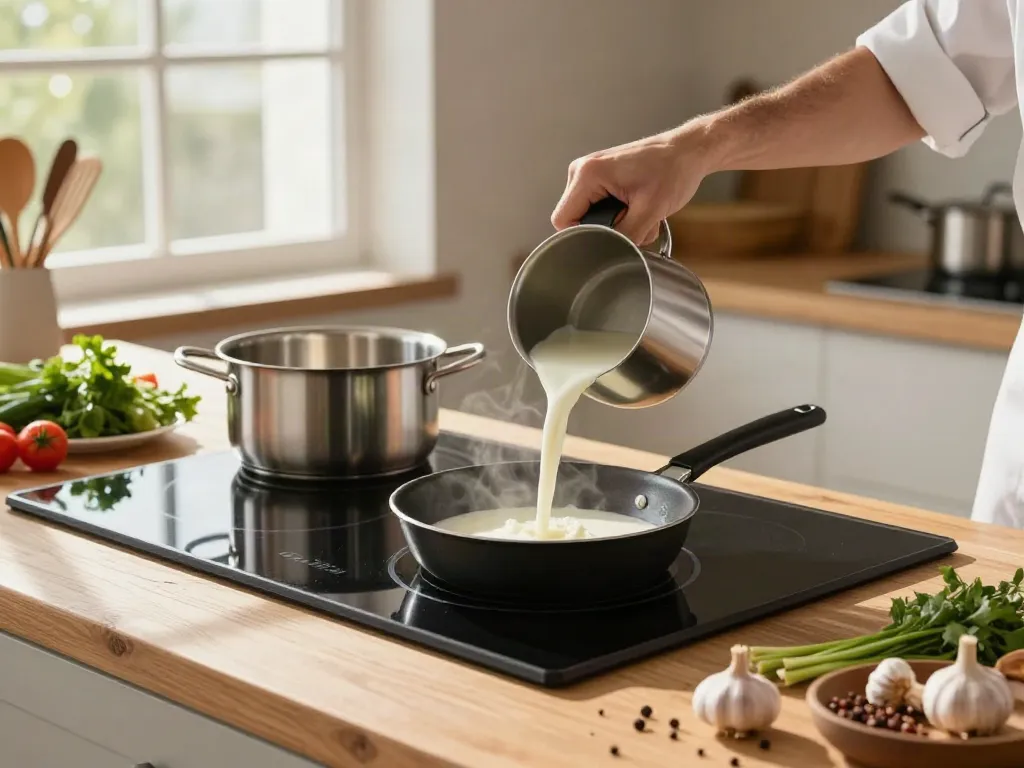
Understanding the Milk Pan: Purpose and Features
The milk pan is a specialized cooking tool that is often overlooked in the kitchen. Designed specifically for heating milk and preparing delicate sauces, it boasts unique features that make it essential for both novice cooks and culinary enthusiasts. The versatility of a milk pan extends beyond just milk; it is also ideal for functions such as melting butter or chocolate, making sauces, and even reheating soups. When exploring options, Milk Pan offerings at reputable retailers provide comprehensive insights into current models and prices.
What is a Milk Pan Used For?
A milk pan serves various purposes in the kitchen. Primarily, it is designed for heating milk without scorching it, making it indispensable for tasks such as preparing hot chocolate, custards, and sauces. Many milk pans come with a spout to facilitate pouring without making a mess, ensuring that your cooking experiences remain efficient and effortless. Additionally, they are perfect for tasks that require precise temperature control, such as simmering delicate sauces or reheating liquid ingredients.
Key Materials for Milk Pans
Milk pans are typically made from materials such as stainless steel, aluminum, and nonstick coatings. Each material offers distinct benefits. For instance:
- Stainless Steel: Durable and resistant to rust, stainless steel milk pans offer even heat distribution, making them ideal for precision cooking.
- Aluminum: Lightweight and heats up quickly, aluminum pans are perfect for tasks that require rapid temperature changes.
- Nonstick: These pans prevent sticking and allow for easy cleaning, though they require more careful handling to avoid scratching the surface.
Size Variations and Their Benefits
Milk pans come in a variety of sizes, typically ranging from 1 to 3 quarts. Smaller pans are great for heating small quantities of milk or making sauces for one or two servings. Larger pans can cater to bigger batches, making them useful for family gatherings or meal prepping. Choosing the right size for your needs can greatly enhance your cooking efficiency.
Choosing the Right Milk Pan for Your Kitchen
When selecting a milk pan, there are several factors to consider to ensure you choose the perfect one for your cooking needs. Quality, durability, and design can greatly influence your overall cooking experience.
Factors to Consider When Buying
To choose the ideal milk pan, consider the following aspects:
- Heat Source Compatibility: Ensure that the milk pan is compatible with your cooktop, especially if you have an induction stove.
- Handle Design: Look for pans with ergonomic handles that provide a secure grip, especially when working with hot liquids.
- Weight: A lightweight pan can be easier to handle, but heavier options may provide better heat retention.
Comparing Nonstick vs. Stainless Steel Milk Pans
Choosing between nonstick and stainless steel milk pans often depends on your cooking style. Nonstick pans excel in ease of cleaning and require less oil for cooking, but may not withstand high temperatures as well as stainless steel models, which are incredibly durable. If you frequently burn sauces or milk, opting for stainless steel might be wise.
Brand Recommendations for Quality Milk Pans
There are numerous reputable brands available in the market that produce high-quality milk pans. Brands like Calphalon, Cuisinart, and Tefal offer products that are well-reviewed and cater to various budget ranges. Consider checking local retailers or online options to compare prices and features before making your purchase.
Care and Maintenance of Your Milk Pan
To extend the lifespan of your milk pan, proper care and maintenance are crucial. Each material has specific cleaning methods to keep it in optimal condition.
Cleaning and Care Tips for Different Materials
Here are some tips based on material:
- Stainless Steel: Avoid abrasive cleaners. Instead, use a mixture of baking soda and water for stains and scrub gently.
- Aluminum: Hand wash with mild soap and avoid soaking, as this can cause discoloration.
- Nonstick: Use soft sponges and avoid metal utensils to preserve the nonstick coating.
How to Avoid Common Cooking Mistakes
Common issues such as scorching milk can be avoided by cooking on low heat and stirring frequently. Always preheat the pan slightly, which helps distribute the heat evenly and prevents hot spots.
Extending the Lifespan of Your Milk Pan
Regular maintenance, such as cleaning and proper storage, will prolong your milk pan’s life. Avoid stacking them with other cookware unless they are cushioned, as this can scratch the surface.
Common Cooking Techniques Using a Milk Pan
Mastering the milk pan opens up a world of culinary possibilities. Here are some common techniques you can practice.
Perfecting Milk Heating and Frothing Techniques
Heating milk properly is an art form. Utilize low heat and often stir to prevent scorching. For frothing, whisking vigorously or using a milk frother can achieve the perfect creamy consistency for coffee or hot chocolate.
Making Sauces and Soups with Your Milk Pan
A milk pan is perfect for creating smooth sauces and comforting soups. Start by sautéing your ingredients in the pan, add liquids gradually, and stir frequently for a creamy finish.
Creative Desserts That Leverage Your Milk Pan
From custards to puddings, a milk pan can be invaluable for dessert preparation. The ability to control heat allows for delicate desserts that require precision.
Frequently Asked Questions About Milk Pans
What is the purpose of a milk pan?
The main purpose of a milk pan is to heat milk and prepare sauces, both of which require careful attention to avoid burning.
How does a milk pan differ from a regular saucepan?
While both are used for heating liquids, a milk pan typically has a narrower base and may feature a spout designed for easy pouring.
What size milk pan is best for home use?
A 1 to 2 quart milk pan is generally sufficient for most household cooking needs, as it accommodates typical portion sizes without taking up much space.
Are nonstick milk pans safe for high temperatures?
Nonstick pans are generally not recommended for high-temperature cooking, as they can release harmful chemicals when overheated. It’s best to use them at medium to low temperatures.
Can I use a milk pan on induction cooktops?
Yes, but ensure that the milk pan is induction-compatible, typically indicated on the packaging or product description.